By Dylan Myers May 8, 2026
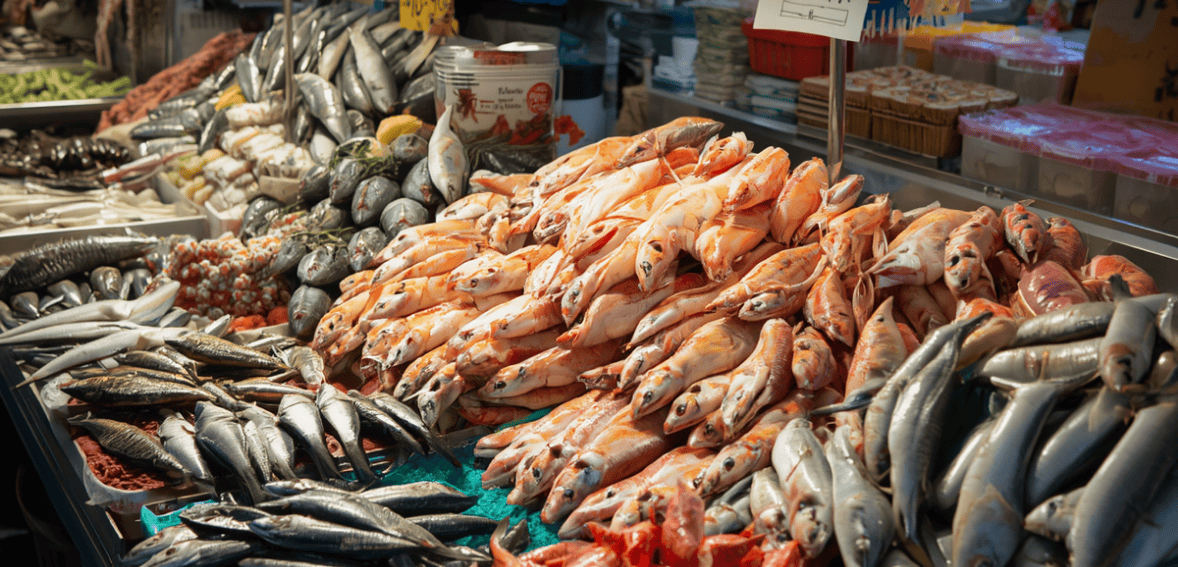
Running a lobster pound or seafood market in Maine isn’t like running a sandwich shop. You’re dealing with live tanks, daily fluctuating prices, pound-based sales, seasonal rushes, and a customer base that ranges from local fishermen to summer tourists who’ve never shucked a clam in their life. The cash register sitting on your counter in 2010 simply can’t keep up with that. This is where a purpose-fit Maine seafood market POS system becomes less of a convenience and more of a business necessity.
Why Generic POS Systems Fall Short in Seafood Retail
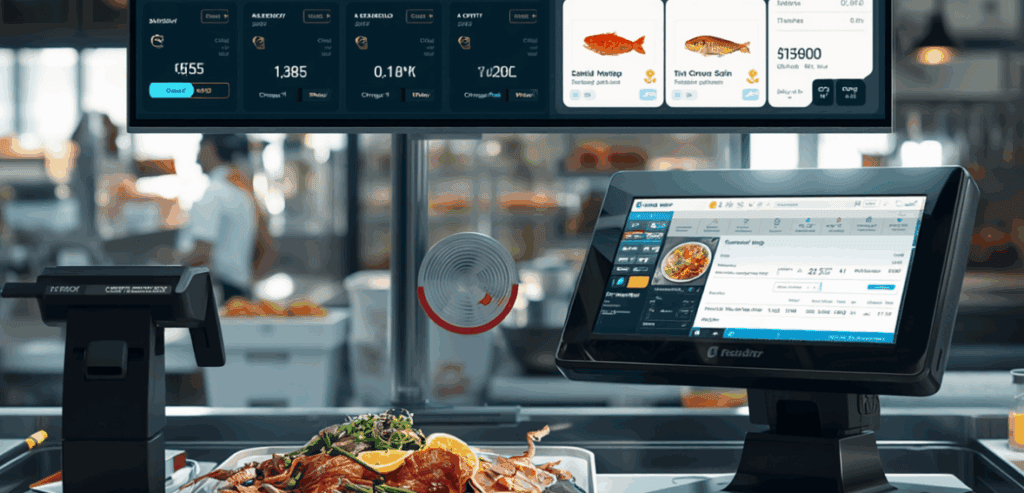
Most point-of-sale systems are built with standard retail in mind — fixed SKUs, stable prices, predictable inventory. Seafood markets operate in a completely different reality. Lobster prices shift almost daily based on boat landings and market demand. Items are sold by weight, not by unit. Inventory walks around in a tank until someone buys it. A generic POS can’t gracefully account for any of that.
In addition to the pricing challenges, Maine lobster pounds have several ways to generate revenue. At the same time, you could be selling live lobsters by the pound, running a small eat-in shack out back, offering online pre-orders for tourists, and wholesaling to nearby restaurants. If you create a system that handles only one of those functions, it creates major gaps, manual processes, and costly mistakes.
The right Maine seafood POS system ties all of those functions together. It handles weight-based pricing, tracks live inventory, integrates with online ordering, and produces reports that actually reflect how seafood businesses operate.
Key Features to Look for in a Seafood Market POS
Not every POS vendor understands the nuances of coastal seafood retail. When evaluating systems, focus on the features that matter most to your operation.
Weight-based pricing and scale integration are non-negotiable for any lobster pound. Your POS should connect directly to certified scales and auto-calculate totals based on live weight. Manual entry is slow and introduces human error at exactly the moment your customer is watching.
Variable pricing tools help you quickly and easily adjust lobster and shellfish prices in bulk as market prices change throughout the week. If you expect an upcoming supply shortage, you can schedule price changes in advance using the right system.
You need to adjust your inventory differently for perishables than for canned goods. With the best seafood POS platforms, you can track products by weight rather than by count, set low-stock warnings, and create alerts for inventory that should be disposed of. This results in less waste and better accuracy.
Seasonal and peak-hour performance matters enormously on the Maine coast. Your system needs to handle a burst of transactions during the July Fourth week or Labor Day weekend without lagging, crashing, or requiring a hardwired internet connection at all times. Offline functionality is a genuine requirement, not a luxury feature.
Multi-channel sales management lets you consolidate in-store, phone, and online orders into a single dashboard. For markets that ship live lobsters or offer online retail, this integration eliminates the double-entry problem that causes fulfillment errors.
Top POS Systems Worth Considering for Maine Seafood Businesses
Square for Retail
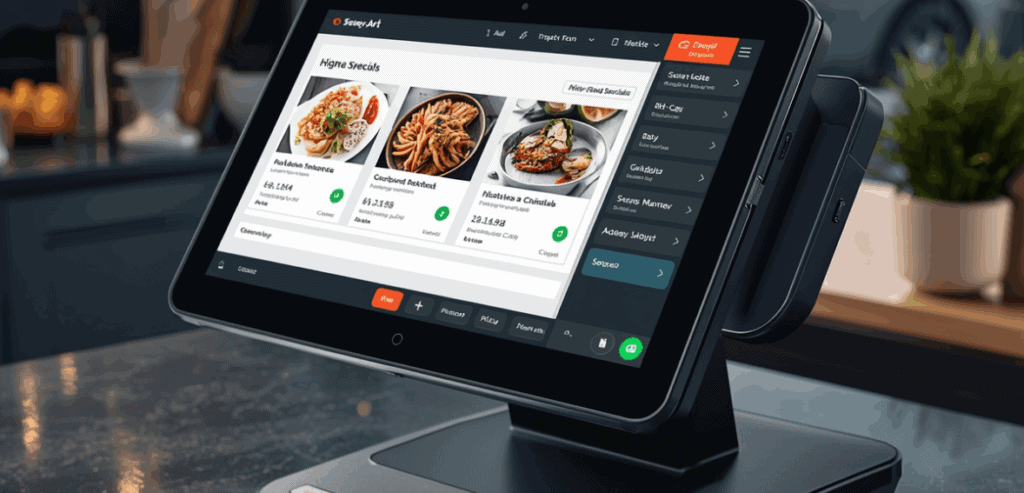
Low-cost, easy-to-use, and dependable hardware make Square for Retail popular for small to medium-sized seafood markets. Square for Retail can connect to scales via third-party applications and support pricing by weight with some setup. The free version meets basic needs, while the paid version manages inventory, a feature suited to markets with a broader product range. Square can also integrate well with Square Online and create a lobster pre-order page for tourists’ convenience. The downside to using Square is that it is not seafood-specific, and some of the features can be cumbersome. Square for Retail is a good option for markets that are just adopting a digital POS.
Clover POS
Clover is a hardware-forward POS platform that appeals to seafood markets needing a more robust setup. Its app marketplace includes add-ons for weight-based pricing and advanced inventory management. Clover’s countertop and handheld terminals are durable and work well in the damp, high-traffic environment of a working lobster pound. The system is sold through banks and merchant service providers, which means pricing varies — something to watch carefully. For a Maine seafood operation that processes moderate-to-high transaction volume, Clover offers solid performance and flexibility.
Lightspeed Retail
Lightspeed Retail is a stronger choice for seafood markets that also run wholesale accounts or manage complex inventory across multiple product categories. Its reporting tools are notably detailed, allowing owners to track margins by product type, identify shrinkage, and review sales trends by season — all of which matter when you’re managing perishable, price-volatile goods. Lightspeed supports scale integration and handles variable pricing with more native flexibility than Square. It carries a higher monthly cost, but for a mid-size Maine seafood market with multiple revenue channels, it often pays for itself in reduced administrative time.
Shopify POS
If a seafood market has a big e-commerce part, especially if live or frozen lobster is shipped across the country, Shopify POS is worth a look. It’s centered on unified commerce, meaning your in-store and online inventory sync on their servers. For lobster orders fulfilled online year-round, and for in-store sales that also occur seasonally, Shopify keeps the two channels connected. The in-store hardware is nice and works well. The platform is centered on a Shopify subscription, and POS capabilities will only be good when a Shopify online store is also open. You can read about Shopify’s retail capabilities through the link.
Managing Lobster Pricing and Inventory in Real Time

One of the most operationally valuable things a Maine seafood POS system can do is reduce the lag between a price change and the price your customers actually see. When dock prices shift mid-week, a good POS lets you update the retail price from your phone in under a minute — and that change is reflected immediately at the register and on your online store, if you have one.
Inventory in a lobster pound is genuinely alive. This creates a unique challenge. Unlike a grocery store tracking cans of beans, you’re tracking creatures in tanks that lose weight over time. Some systems allow you to enter tank weights and deplete inventory by pounds sold rather than units, giving you a running estimate of what you have left. That data becomes particularly useful on busy summer days, when you need to decide whether to call your supplier to arrange a secondary delivery.
Waste tracking is another underused feature in seafood retail. When a lobster dies in the tank or a fillet goes past its sell date, logging that loss in your POS keeps your cost-of-goods numbers accurate. Over time, this data reveals patterns — which products have the highest shrinkage and which tank configurations produce the most loss — and informs smarter purchasing decisions.
Payment Processing, Tips, and Customer Experience
Modern seafood shoppers expect flexibility at the register. Credit and debit card processing is table stakes, but contactless payments — Apple Pay, Google Pay, tap-to-pay — are now expected by a broad swath of customers. If your POS can’t accept them, you’re creating friction at checkout.
Pounds of lobster that serve prepared food that include chowder, lobster rolls, or steamers, find that tip prompting at checkout diverts additional revenue to your staff. The majority of POS platforms have this built in. Thoughtfully setting your tip percent options to 15%, 20%, 25%, or custom, and testing how the prompt appears on customer-facing screens, can be done in around 10 minutes and can improve your employees’ happiness.
Loyalty programs are worth considering for markets with regular local customers. A simple points-based system tied to your POS rewards frequent buyers and gives you a reason to collect email addresses for seasonal marketing — letting you notify regulars when soft-shell lobster season starts or when a particularly good catch comes in.
Setup, Training, and Ongoing Support
Even the best Maine seafood POS system fails if it’s poorly implemented. Before committing to a platform, ask vendors specific questions: Does the system support scale integration out of the box, or through a third-party? What happens when the internet goes down? How long does onboarding take, and is training included?
Special consideration should be taken for seafood retail staff training. Employees are seasonal, and turnover is high. The POS must be easy enough that an employee can process a weighted sale by the second day of training and do so without assistance. Systems like Square and Clover are known for their easy-to-use interfaces. More feature-rich systems like Lightspeed do require a little more time during onboarding, but provide much more power once the staff is up to speed.
Customer support availability matters too. If your system goes down at 11 a.m. on a Saturday in July — your single busiest hour of the year — you need to reach a live human, not submit a ticket.
Conclusion
Maine lobster pounds and seafood markets operate in one of the most demanding retail environments in the food industry. Prices move daily, inventory is perishable and literally alive, and customer expectations are high. The right Maine seafood POS system doesn’t just speed up your checkout line — it gives you real-time control over pricing, inventory, and sales data across every channel your business operates in. Whether you’re a small coastal market processing a few hundred transactions a week or a larger operation shipping live lobster nationwide, investing in a POS built — or properly configured — for the seafood industry is one of the highest-leverage decisions you can make.
Frequently Asked Questions
Can a POS system integrate directly with lobster scales?
Yes, most modern POS platforms support scale integration either natively or through third-party hardware apps. Square, Clover, and Lightspeed all support certified scale connections when configured correctly. Always confirm scale compatibility with your specific hardware model before purchasing.
How do Maine seafood markets handle fluctuating lobster prices in their POS?
The best systems allow bulk price updates that take effect immediately across all registers and online channels. Some platforms also let you schedule price changes in advance, which is useful for known market shifts.
Do I need an internet connection for my seafood POS to work?
Most cloud-based POS systems require an internet connection to sync data, but many offer offline modes that continue processing transactions locally and sync when connectivity is restored. This offline capability is essential for Maine coastal locations, where connectivity can be unreliable during storms or during peak season congestion.
Is a POS system worth the cost for a small seasonal lobster pound?
For most seasonal operations, yes. Even entry-level systems like Square’s free tier eliminate manual errors, speed up checkout, and provide end-of-day sales reports that make tax season significantly easier. The time saved on reconciliation alone typically offsets the cost within the first season.
Leave a Reply